
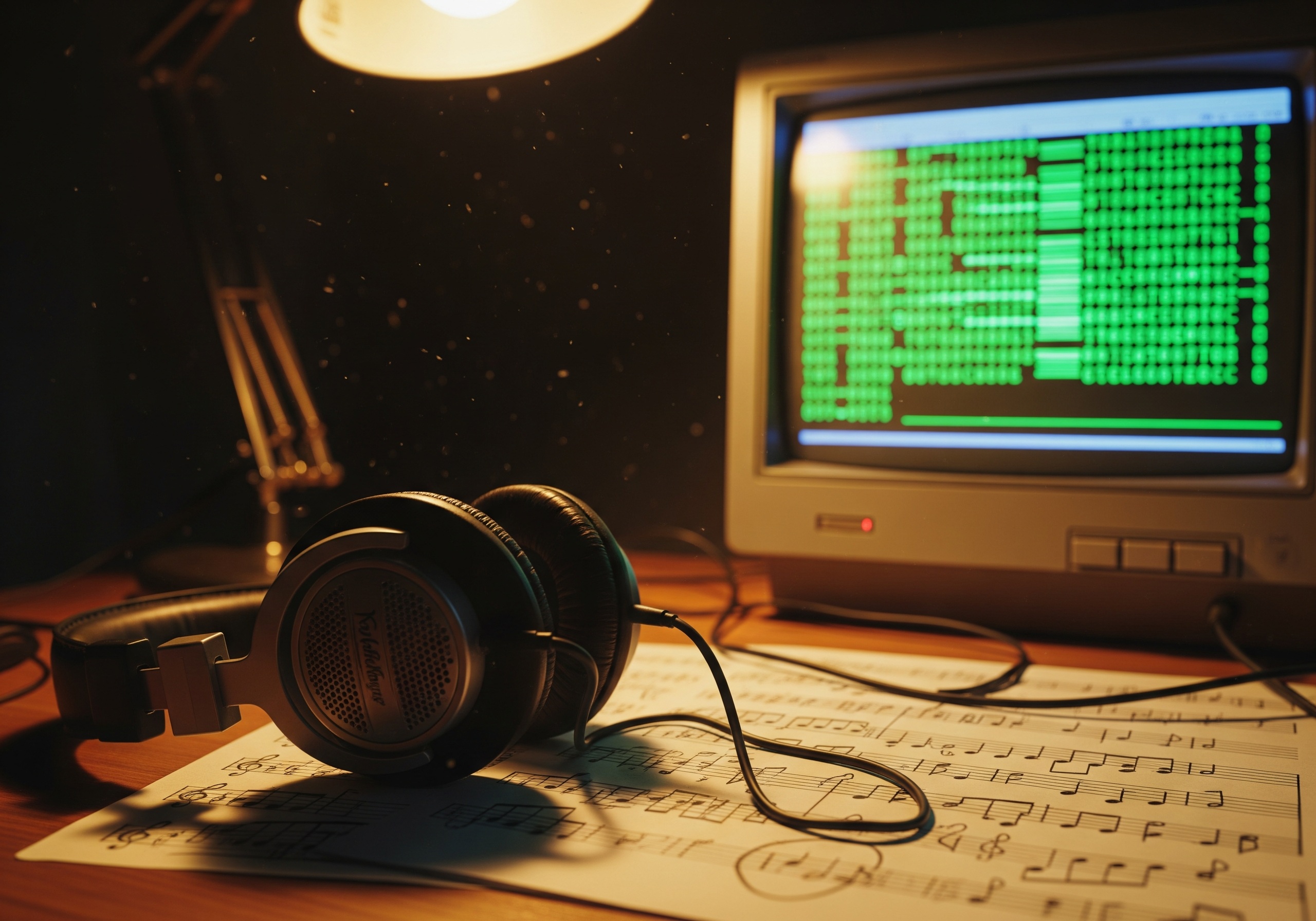
The Art of 8-Bit Sound: How Chip Tunes Created Memorable Gaming Moments
Discover how the technical limitations of 8-bit sound chips led to some of gaming's most iconic and memorable music and sound effects.
When Limits Became Art
The NES had a sound chip with just 5 channels:
- 2 pulse wave channels
- 1 triangle wave channel
- 1 noise channel
- 1 sample channel (rarely used for music)
Yet composers created masterpieces like the Super Mario Bros theme, Castlevania's "Vampire Killer," and The Legend of Zelda's overworld theme.
How did such limited technology produce such memorable music? The answer reveals fundamental truths about creativity, design, and the psychology of sound.
The Psychology of Simple Sound
Instant Recognition
Chip tune melodies are incredibly memorable because they're simple. The limited channels forced composers to focus on:
- Strong melodies — You can't hide a weak melody behind complex orchestration
- Clear rhythms — The bass and percussion must be immediately understandable
- Distinct timbres — Each sound needs to stand out from the others
This simplicity maps directly to how our brains process music. We remember patterns, and chip tunes are pure patterns.
Emotional Efficiency
With only a few sounds available, every note had to count. Listen to the Mega Man 2 Dr. Wily stage theme:
- The bass provides driving energy
- The melody creates urgency and heroism
- The limited palette intensifies the emotional impact
There's no filler. Every sound serves a purpose.
Iconic Sound Effects
Sound effects in 8-bit games were equally constrained but remarkably effective:
The Mario Coin Sound
That simple "bling" triggers instant dopamine. Why?
- High-pitched — Cuts through other sounds
- Short and sweet — Doesn't overstay its welcome
- Associated with reward — Classical conditioning at work
The Zelda Secret Discovery
When Link discovers a hidden room, that ascending chime creates genuine excitement. The sound design:
- Breaks the pattern — It's different from normal sounds
- Suggests mystery solved — The ascending notes imply revelation
- Triggers curiosity — You want to know what you found
Mega Man's Defeat
The explosion sound when defeating a boss is pure satisfaction:
- Low to high sweep — Mimics an explosion's energy
- Long duration — Emphasizes the importance of the moment
- Precedes victory fanfare — Creates audio narrative
Technical Innovation Within Limits
The Sunsoft Bass
Sunsoft games (Blaster Master, Batman) had distinctive deep bass despite the NES's limitations. How?
Their programmers discovered they could rapidly switch between the DPCM sample channel and the triangle wave, creating a unique "doubled" bass sound that was deeper than any competitor's.
Konami's Sound Design Philosophy
Konami games like Castlevania had a consistent sound identity:
- Gothic organs using the pulse channels
- Driving bass lines on the triangle channel
- Precise percussion on the noise channel
They turned limitations into a signature style.
Capcom's Mega Man Sound
The Mega Man series became known for:
- Energetic, rock-inspired melodies
- Distinct weapon sound effects (each weapon sounds unique)
- Boss intro fanfares that built anticipation
Lessons for Modern Sound Design
1. Constraints Breed Creativity
When you have unlimited options, you often make mediocre choices. Limits force focus.
Modern composers can learn from chip tunes:
- Write the melody first, arrange later
- Ensure each instrument serves a clear purpose
- Test if the piece works with minimal instrumentation
2. Sound Supports Gameplay
8-bit sound designers understood that audio serves the game:
- Sound effects provide feedback (did I hit the enemy?)
- Music sets emotional tone (danger, triumph, mystery)
- Audio cues guide behavior (the sound that says "time is running out")
3. Memorability Over Complexity
A simple melody that players remember is more valuable than a complex orchestration they forget.
The Super Mario Bros theme isn't technically impressive — it's just perfectly designed for its purpose.
The Chip Tune Revival
Today, chip tune music enjoys a renaissance:
In Gaming
- Shovel Knight uses authentic 8-bit-style audio
- Undertale blends chip tunes with modern production
- Celeste features chip tune-inspired boss themes
In Music
- Artists like Anamanaguchi, Chipzel, and Disasterpeace create modern chip tune music
- Retro-inspired soundtracks are increasingly popular
- Video game music concerts feature chip tune arrangements
Why the Appeal?
- Nostalgia — These sounds trigger childhood memories
- Authenticity — They represent gaming's roots
- Clarity — In a world of sonic overload, simplicity stands out
- Craft — Creating good chip tunes requires genuine skill
Famous Composers of the Era
Koji Kondo (Nintendo)
- Super Mario Bros
- The Legend of Zelda
- Created Nintendo's musical identity
Hirokazu Tanaka (Nintendo)
- Metroid's atmospheric soundscapes
- Kid Icarus
- Pioneered mood-based game audio
Manami Matsumae (Capcom)
- Mega Man original theme
- Defined Capcom's early sound
Kinuyo Yamashita (Konami)
- Castlevania's "Vampire Killer"
- Established Konami's gothic sound
Experience It Yourself
The best way to appreciate chip tune artistry is to play the games themselves. Pay attention to:
- How music changes between areas
- The sound effects that provide feedback
- How few sounds create such rich experiences
Try these classic soundtracks on our platform:
- Super Mario Bros — The defining Nintendo sound
- Mega Man 2 — Rock-inspired action
- Castlevania — Gothic atmosphere
- The Legend of Zelda — Adventure in audio
Conclusion
8-bit sound design proves that creativity thrives within constraints. The composers and sound designers of the NES era created audio experiences that remain compelling decades later — not despite their limitations, but because of them.
When every note matters, every note is meaningful. That's a lesson that transcends technology.
Want to learn more about the technology behind these sounds? Read our article on how emulation works or explore the NES's revolutionary impact.
About the Author
Innovatex Team is part of the Innovatex team, dedicated to preserving and sharing the rich history of retro gaming with enthusiasts worldwide.
Related Articles
Level Design Secrets: What Makes Super Mario Bros World 1-1 Perfect
A deep dive into the genius level design of Super Mario Bros World 1-1 and why it remains the gold standard for teaching players through gameplay.
The Psychology of Difficulty: Why Classic Games Feel Fair Even When They're Hard
Explore the psychological principles behind classic game difficulty and why retro games create satisfying challenges that feel fair rather than frustrating.